Illinois Public Health Institute (IPHI) recently brought together groups of caregivers and young adults from seven Chicago neighborhoods to discuss how food and beverage advertising hits them where they live.
These conversations complemented the Chicago Food & Beverage Marketing Study, an initial examination of the scope and nature of food and beverage marketing on city-owned assets in communities experiencing the highest rates of chronic conditions.
The study is the result of collaborative planning among IPHI, the Chicago Department of Public Health, and six community-based organizations (CBOs), with guidance from researchers from the University of Illinois at Chicago. A research brief, supported by the Partnership for Healthy Cities, details the team’s methodology, from research to design to execution.
The CBO partners helped the team select Chicago Lawn, Englewood, Little Village/South Lawndale, and West Garfield Park, neighborhoods with high rates of chronic health conditions, with Kenwood, Lincoln Square, and Uptown as points of comparison. Community partners who live and work in the seven selected neighborhoods were paid to support data collection, which included a neighborhood scan, using photos.
The CBOs later recruited residents from these communities to participate in the discussions, held in late 2025, which helped to shape the study team's understanding of Chicago’s broader advertising context.
An Initial Snapshot—and Essential Community Context
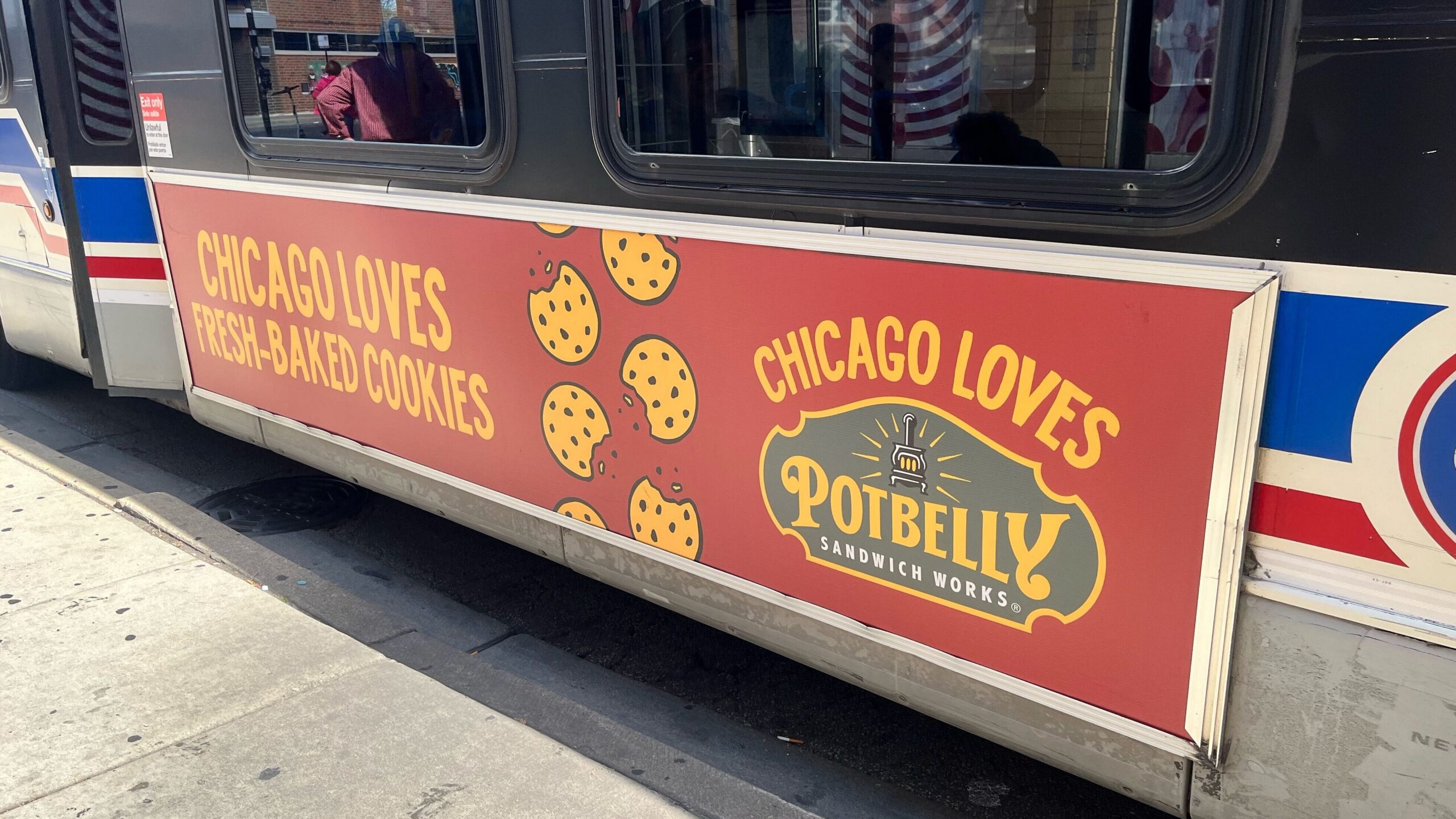
Study showed that city-owned assets were used in a limited way to advertise food and/or beverage products. (Only 24 of the 434 marketing exposures included food or beverages—plus an additional five ads with alcohol.) None of the food and beverage products marketed met the study’s selected nutrition standards.
Additional evaluation of a more fully representative sample is needed; however, the team’s approach offers a practical way for cities to gain insight into food and beverage advertising in their own communities.
The IPHI-convened community discussions provided additional context for the study findings. Participants described marketing mirroring the disinvestment in their food environments rather than promoting health.
Each discussion group centered on the types of food and beverages advertised, reactions to sample ads, perceived targeting, neighborhood comparisons, children's exposure, and, most importantly, the changes that community members want to see.
Fast food, sugary drinks, and convenience foods dominate, with alcohol ads were also prevalent in some neighborhoods. Several participants named Subway and Chipotle as the healthiest options available to them.
Discussion participants emphasized the flood of food and beverage-related advertising they received on their phones and other personal devices—most focused on fast food, sugary drinks, and convenience foods.
Beyond Billboards—Advertising Gets Personal
“They advertise a lot of the Coca-Cola, a lot of the sugary drinks—RC, Pepsi—along with the tacos and stuff like that,” shared one community health worker. “I think for us, especially in this area, they target more fast food.”
Many also noted the high prevalence of geo-targeted marketing in their communities, especially from services that could deliver food from outside their immediate area.
They discussed children featured in child-adjacent ad slots—especially those on social media and video channels. They focused on ads featuring bright colors; athletes, musicians, and social media influencers; and candy- and coffee-flavored drinks.
“They put kids in the advertising so that another kid will be like, "Okay, this kid eating this, I should go try this," shared one young adult.
Other participants pointed to ads that included mentions of phrases like “flaming hot” and “spicy,” as well as flavors like chamoy and tajin—seemingly targeting specific racial or ethnic groups to sell unhealthy or potentially dangerous products.
A Shared Vision for Health-Promoting Public Spaces
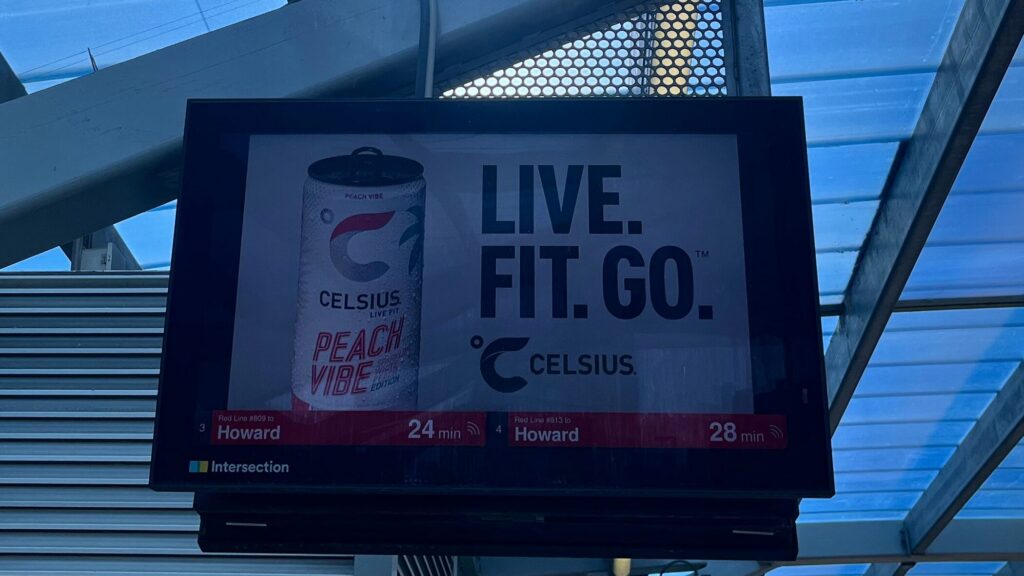
Each conversation ultimately shifted away from current challenges to future possibilities, including public spaces highlighting community resources and programs, and promoting local businesses.
Participants proposed their own solutions, starting with a genuine say for residents in setting neighborhood advertising standards. They also called for structural changes, such as contract procurement requirements, city ordinances, and incentives that improve community food environments.
Just as the Chicago Food & Beverage Marketing Study itself is a pilot project—revealing important future areas of exploration like marketing on privately-owned assets, inside public transit and online—the IPHI-led discussion groups have opened an essential dialogue about healthier food environments for all Chicago communities.
“What we're doing today, having this focus group, is a start,” shared one community health worker. “Making sure that we're at the table for the next steps going forward [will ensure] that change and progress happens.”