IPHI leads an interactive training about integrating MAPP 2.0 framework into the IPLAN
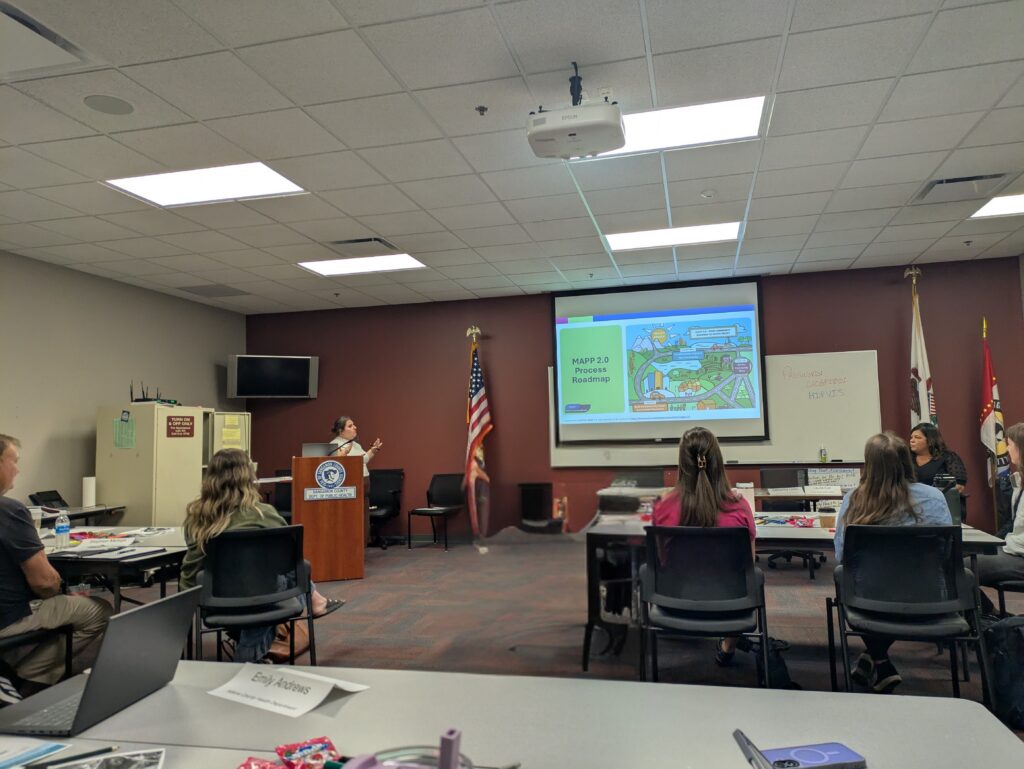
On September 23 and 24, Illinois Public Health Institute (IPHI) facilitated a state-wide training on the Mobilizing for Action through Planning and Partnerships (MAPP) 2.0 process for the Illinois Project for Local Assessment of Needs (IPLAN).
This training provided an opportunity to expand the utilization of the MAPP 2.0 process by providing local health departments with the tools and resources needed to adapt MAPP 2.0 into their local community context.
MAPP 2.0 and the IPLAN
Staff from local health departments throughout Illinois came together to participate in an interactive training that demonstrated how to describe and utilize the MAPP 2.0 Framework process when conducting their IPLAN in Illinois. The IPLAN is a requirement for the recertification process for all Illinois certified local health departments that includes, in addition to other requirements, a community health assessment (CHA) and community health improvement plan (CHIP) every five years. Each local health department conducts a CHA and identifies at least three priorities for their community. From this assessment, the CHIP is developed with objectives and strategies to implement. Local health departments use the IPLAN process or an equivalent planning process, such as MAPP 2.0, to complete this requirement and must still meet the minimum requirements of IPLAN regardless of which process is used. IPHI helped LHDs explore how to leverage the MAPP framework to meet IPLAN requirements and conduct a more equity driven process.
Why MAPP 2.0 is Important for Communities
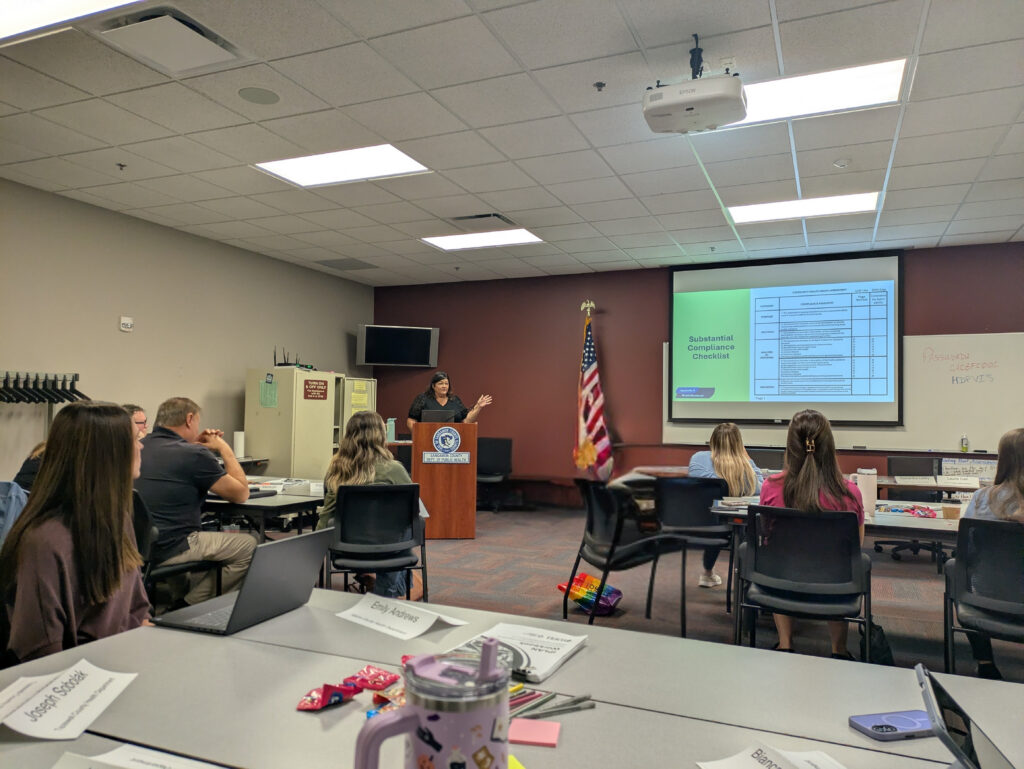
The MAPP 2.0 Framework is a unique process for completing the IPLAN because it is equity-driven and community-led. Local health departments and their communities can work together to identify priorities that move from downstream health issues (e.g., diabetes or obesity) to upstream social determinants of health (e.g., housing, food insecurity, and access to care) to address the root causes of the health issues in their community.
The tools shared in this training support local health departments to engage their communities and identify priorities and strategies that are in better alignment with community needs. Participants had many opportunities throughout the training to discuss approaches for engaging the community collectively as experts with lived experiences that drive selected IPLAN priorities and streamline strategy implementation.
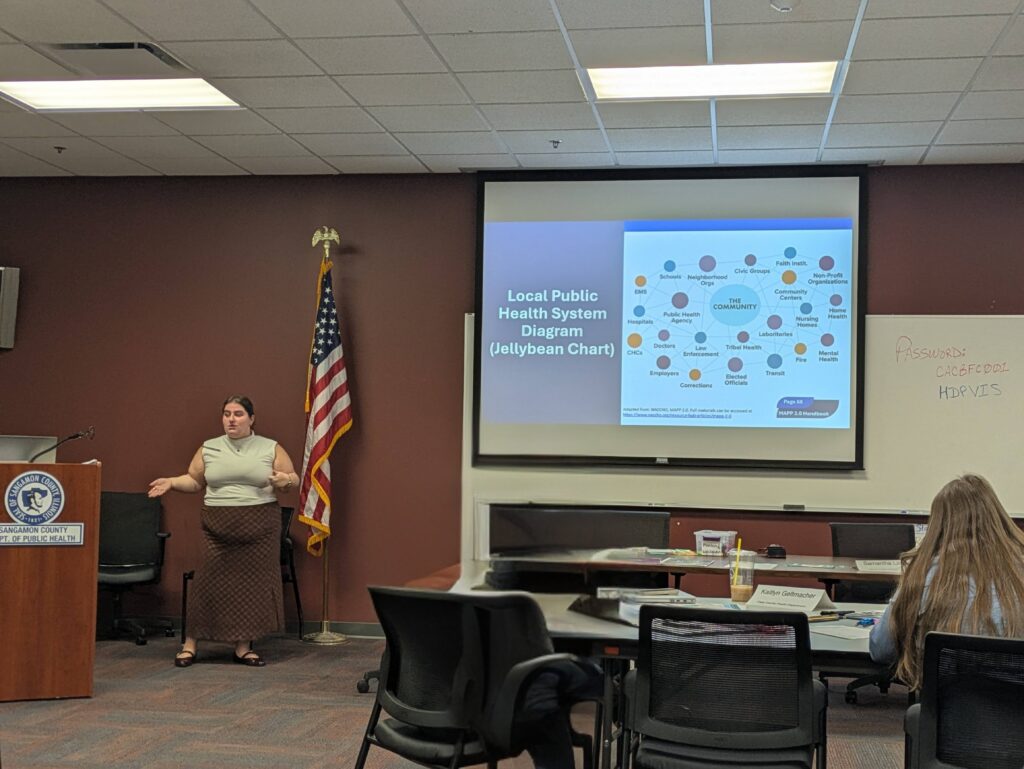
Following the training, local health departments can consider what tools and resources to select from MAPP 2.0 to use for their IPLAN. They can practice select tools within their local community context and gain insight to avenues for enhancing community partner relationships and understanding systems of power, privilege, and oppression as well as of the social determinants of health. These tools, like power mapping, root cause analysis, and collecting indicators related to systems of power, privilege, and oppression, are used to integrate equity as not just an outcome but also as an essential part of the process.
Expanding Equity Across Illinois
Currently, very few Illinois local health departments utilize the equity-driven MAPP 2.0 process. After the training, 100% of survey respondents noted that they are more likely to use MAPP 2.0 to conduct their IPLAN.
By expanding the use of MAPP 2.0 across Illinois, this training supports IPHI’s broader commitment to advancing health equity statewide. Increasing the number of communities equipped to use an equity-based approach strengthens local capacity to identify and address the conditions that shape health and well-being. As part of IPHI’s continued training and technical assistance with this grant, IPHI is also holding monthly webinars for each of the IPLAN requirements as well as developing a revised IPLAN requirements workbook that includes tools to drive equity as a process.
Training and technical assistance are provided by IPHI through funding from the Community Health Assessment and Planning Grant Program from the Illinois Department of Public Health. This training serves to support local health departments in moving beyond meeting the minimum requirements for IPLAN and working towards achieving equity as an outcome and embedding equity into the process.